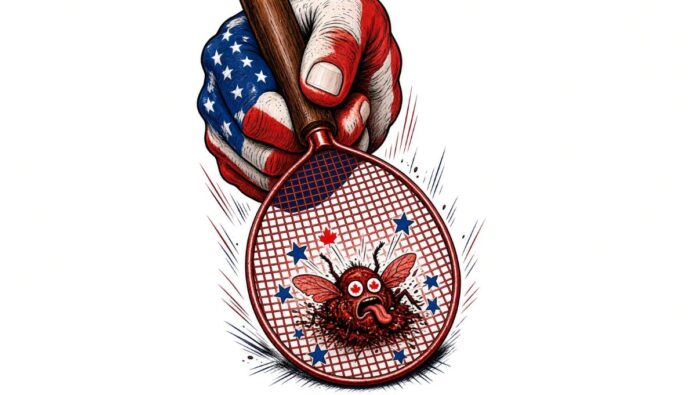
In late August, 2026, trade talks between the United States and Canada fell apart, and a
trade war between the two countries began again.
This time the dispute was over the United States refusing to remove 50% tariffs against
Canadian products. At first, negotiations were looking promising, but the United States
introduced a series of last minute demands which Canada simply could not accept.
Some of these demands were more absurd than others, for instance the United States
asked that Canada give up some of its French language legal-protections.
30% of the country speaks French, making it a core part of the Canadian identity. As a
result, Prime Minister Mark Carney and Quebec Premier Christine Fréchette refused to
even consider any such change in policy.
Canadian Leaders Respond
Despite the change in leadership from Justin Trudeau to Mark Carney in January 2025,
economic aggression by the United States has continued, and the response by Canada
has remained unchanged.
Canada is playing the defensive, when the US announces 50% tariffs on all Canadian
goods, Carney responds with a dollar-for-dollar tariff response. When the US lifts their
tariffs and is ready to come to the table, Canada follows.
In this game of cat and mouse, Canada is being taken advantage of, they are playing by
the US rules, and the Canadian people are the ones feeling the costs. Even now, with
new infrastructure and trade projects in the works, which will be discussed in greater
detail below, Canada remains on the back foot, reacting rather than just acting in their
own interests from the jump.
Some Canadian politicians are even repeating clearly empty threats like Doug Ford, the Premier of Toronto.
In March, 2025, US President Donald Trump launched his initial waves of tariffs against
Canadian goods, shortly after he was elected. At that time, I spoke to a representative
from Statistics Canada, who correctly predicted that prices would rise on consumer
products for both nations, raising the cost of living.
He also told me that Canada primarily exports motor vehicles and vehicle parts,
consumer goods, and perhaps most importantly, energy, to the United States.
That same month, Premier Ford seized on this idea for a potential economic attack.
Ontario is a massive clean energy producer with major nuclear and hydro-electric
plants—it supplies energy to 1.5 million homes and businesses in the United States—
and Doug Ford threatened to cut it off.
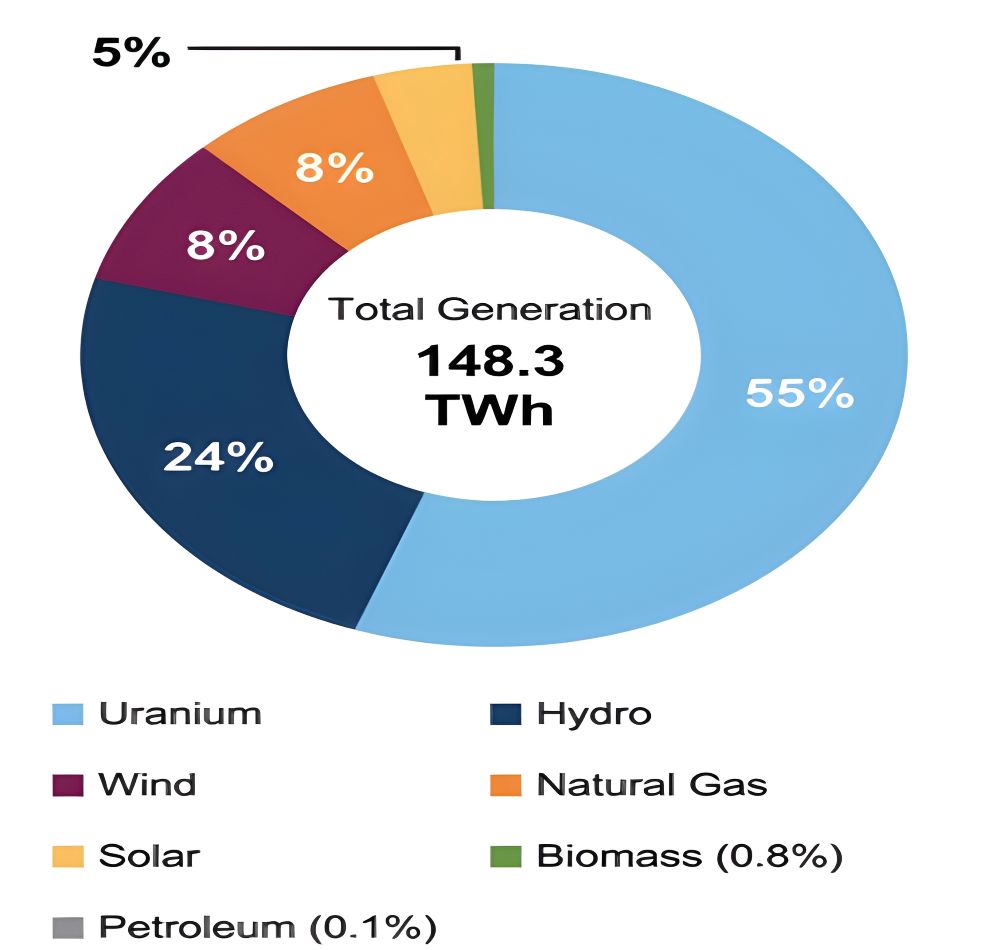
In late August, 2026, as tensions rose again, Premier Doug Ford made the same threat almost word-for-word:
Trade War Begins Between the United States and Canada – Again
“As for the electricity, everything is on the table, but I cant do this alone folks, I needevery premier playing on team Canada” “If President Trump escalates, Canada needs to be ready to do the same, everything needs to be on the table…” he repeated, “we need to use Canada’s many points of leverage to create maximum impact, targeting deep red states and making sure that America’s economy feels the pain.”
He knows these threats are empty, as cutting energy would be a major escalation which
Prime Minister Carney had not agreed to, but in the past he has used his authority to
raise the price of these energy exports by 25% to the following states:
– New York
– Michigan
– Minnesota
President Trump and his administration responded to Doug Ford not with policy, but
rhetorically. First, he insulted Doug Ford and brought up the name of his now deceased
brother, former mayor of Toronto Rob Ford.
Then, on August 27, Trump also signed an executive order officially renaming Lake
Ontario, a name older than both the United States and Canada to “Lake America”.
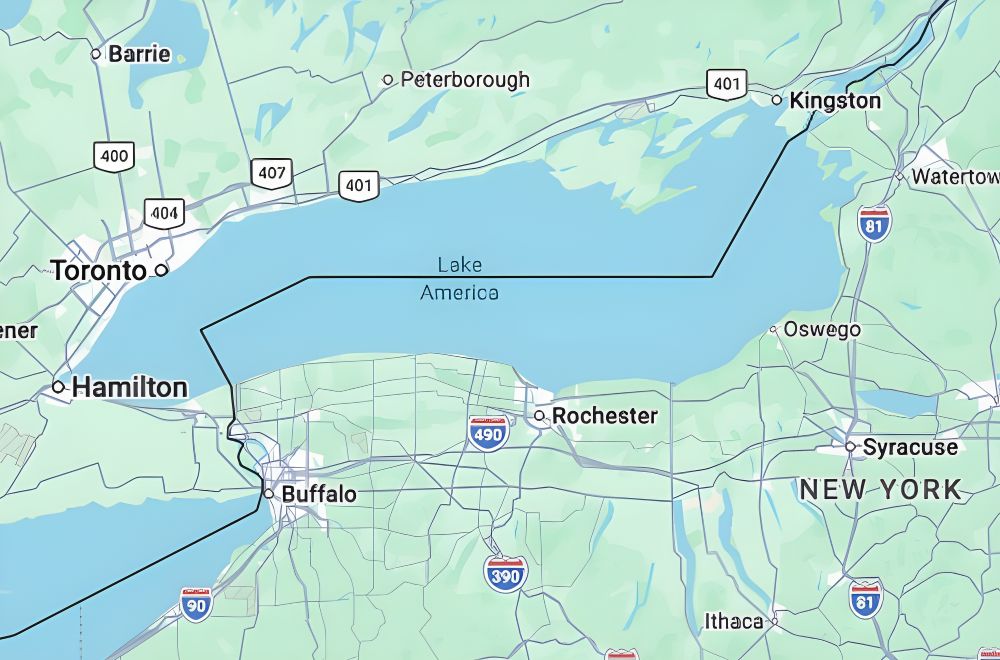
Canadians across all parties, of course rejected this renaming, however, major tech
platforms like Apple Maps and Google Maps did make the change.
Still, for the most part, Canada remains unfazed by the attacks from their Southern
neighbor.
After experiencing previous rounds of Trade conflict, early in 2025, and even in 2018
during Trump’s first term as President of the United States—this time Canada is
prepared.
New Trade Partnerships
With trade decreasing with the United States, Canada has sought out new trade
partners and strengthened existing connections.
According to reporting from the Financial Post, Canada and the European Union are
expected to release plans for a wide sweeping trade agreement, next Wednesday on
September 16.
As we reported at Cocaine Company, Canada has also increased their relationship with
East Asian countries — notably, Xi Jinping’s China
In 2024, China was already Canada’s 5th largest investor, that is increasing now. As we
reported in April 2026, Xi Jin Ping said that “The two sides should advance the
China-Canada new strategic partnership, steer their ties onto the track of sound, steady
and sustainable development, and bring more benefits to both peoples.”
Another upcoming connection we uncovered is the growing relationship between Canada and Ukraine. As we reported, despite being in debt, Carney’s Canada continues funding massive shipments of cash and military supplies to Ukraine.
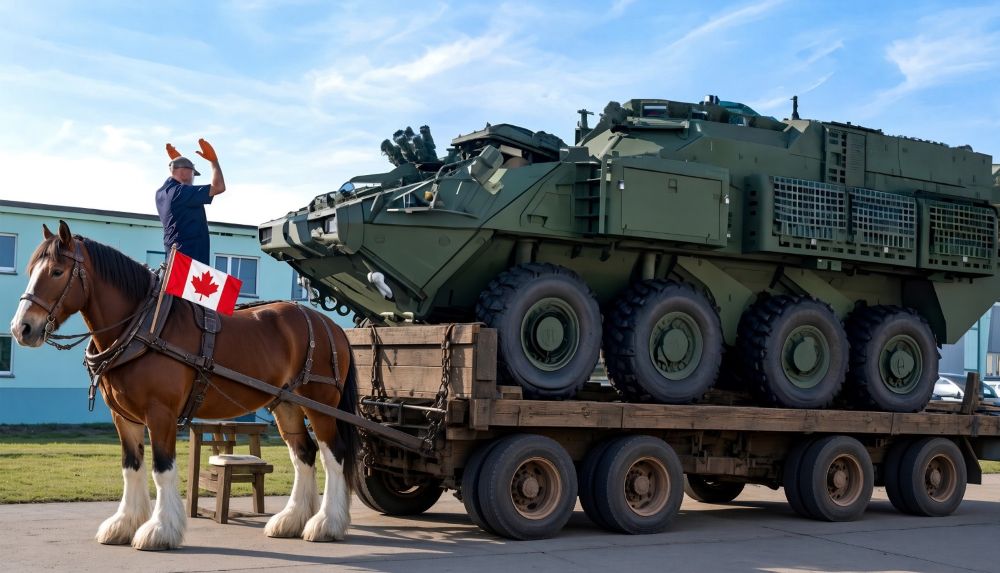
As a result of this trade war, this relationship has only further developed. Just yesterday,
on September 10, Prime Minister Carney and Ukrainian president Volodymyr Zelensky
signed a 100-year Partnership Declaration.
Trade Disputes Impact Local Québec Politics:
In response to the French language being targeted, Québec has taken a particularly
strong position against US overreach.
First, the province, under the guidance of Premier Fréchette, is taking steps to make
itself, and Canada more self-sustainable. On August 17, she signed onto an initiative
with Newfoundland and Labrador Premier Tony Wakeham, which would invest $50
billion into hydro, wind power, and transmission projects in these provinces.
Faced with the external threat of the United States, the opposition to Quebec’s ruling
Coalition Avenir Québec(CAQ) party — the Parti Québécois (PQ)— has softened their
rhetoric and local divisiveness.
The PQ has historically supported separation from Canada and Québec
independence… but now PQ leader Paul St-Pierre Plamondon officially announced that
even if they win October’s upcoming election, the PQ “will not hold a referendum on
Quebec independence as long as Donald Trump is president”.
Canadians across the political spectrum have come together in a moment of solidarity
and opposition to United States trade policy. The questions are now:
Will this alliance remain strong? And how will this transform the economy of Canada’s
Future?