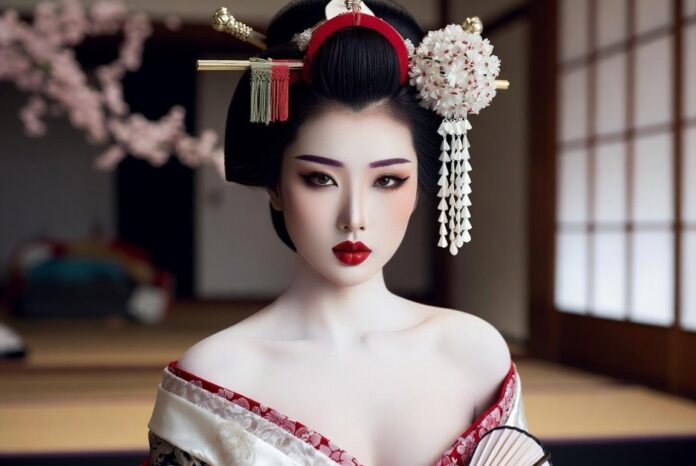
Artistic Mastery, Cultural Significance, and Contemporary Relevance: The Geisha tradition in Japan
Introduction
In the intricate tapestry of Japanese cultural heritage, few figures captivate the imagination quite like the geisha. Often misunderstood in popular Western discourse, the geisha—literally “art persons”—represent a pinnacle of traditional artistic achievement and refined social grace. This article provides a clear, accurate examination of their history, role, and significance, particularly relevant for professionals seeking deeper cultural insight into Japan.
It is essential to clarify at the outset that geisha are professional entertainers trained in the classical arts, not to be conflated with courtesans or sex workers—a distinction that has persisted since their emergence. For professionals engaged in international business or cultural appreciation, understanding the geisha tradition offers valuable insight into Japanese values of discipline, hospitality (omotenashi), aesthetic refinement, and the preservation of intangible heritage.
The Origins: Why the Geisha Tradition Developed
The Geisha tradition in Japan
The geisha profession arose in the pleasure quarters (y■kaku) of Edo-period Japan (1603–1868). In the early 18th century, male entertainers known as taikomochi performed at gatherings. By the mid-18th century, female performers appeared, drawing from teenage dancers (odoriko) and skilled musicians. The first woman recorded as calling herself a geisha was Kikuya of Fukagawa around 1750. Female geisha rapidly dominated the field by the 1780s. The system was intentionally structured to create a class of entertainers separate from courtesans, emphasizing artistic accomplishment over physical intimacy.
Several factors drove this evolution. The rigid class structures of Tokugawa Japan limited women’s public roles, yet talented individuals sought professional outlets. Geisha offered witty conversation, musical performance, dance, and games that elevated gatherings into cultured exchange. In the licensed districts, merchants conducting business often hosted parties at ochaya (teahouses). A skilled geisha could steer conversation and perform dances that evoked seasonal beauty, facilitating networking in an elegant setting.
Influence in Japan and on the International Stage
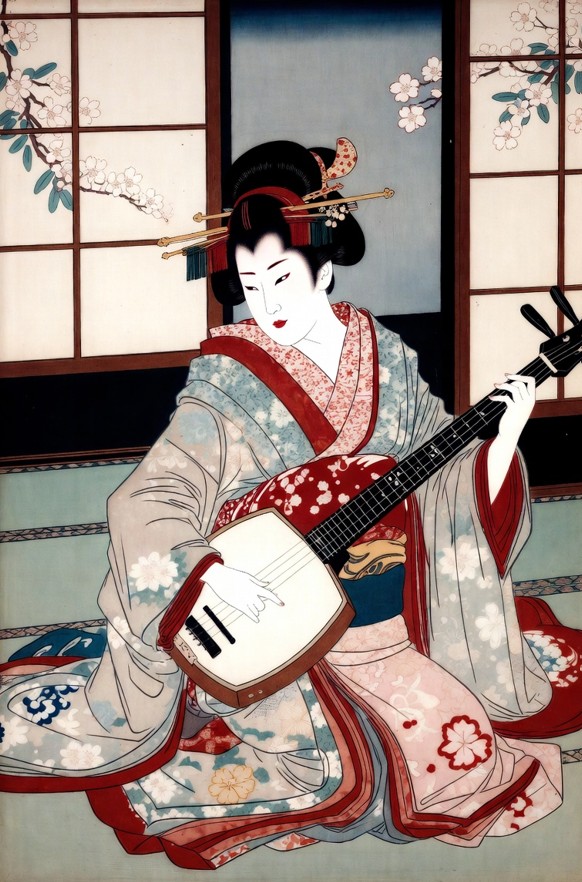
Within Japan, geisha profoundly shaped cultural expression and elite social life. During their golden age in the late 19th and early 20th centuries, they numbered approximately 80,000 nationwide. They became fashion trendsetters. Woodblock print artists such as Kitagawa Utamaro produced iconic ukiyo-e portraits of geisha. Geisha performances preserved specific artistic lineages. Kyoto’s Gion Kobu district developed its own school of ky♥-mai dance. The profession embodied core Japanese aesthetic principles while providing a structured path for women to achieve professional recognition in the arts.
Internationally, the geisha image contributed to Japonisme. Giacomo Puccini’s opera Madama Butterfly introduced Western audiences to romanticized notions. The most prominent modern example is Arthur Golden’s 1997 novel Memoirs of a Geisha. The work drew partial inspiration from retired geisha Mineko Iwasaki but was criticized for inaccuracies and over-sexualization. Iwasaki later published her own memoir, Geisha of Gion, to present an authentic account.
The Geisha in Contemporary Japan
Today, the geisha profession persists primarily in historic hanamachi, with Kyoto’s districts remaining the most prestigious. Precise current figures vary, but the core traditional population numbers in the low hundreds in Kyoto and comparable figures in Tokyo. Modern geisha continue to perform at private ozashiki, corporate receptions, and cultural events. Training remains intensive and lifelong. The profession faces structural pressures: high costs of kimono and lessons, competition from contemporary entertainment, and shifting generational priorities. Nevertheless, it continues as a living practice contributing to cultural preservation.
Benefits and Challenges of the Geisha Tradition
The geisha tradition yields substantial cultural benefits. It actively preserves endangered performing arts—specific dance forms, shamisen repertoire, and protocols of refined interaction. Successful geisha model discipline, continuous learning, and poise. These qualities hold direct relevance for professionals. Economically, authentic geisha entertainment supports artisans and contributes to Japan’s soft power. Challenges include persistent misconceptions leading to objectification, tourist harassment in Kyoto, and economic pressures making sustainability difficult for many practitioners.
Conclusion
The geisha tradition exemplifies Japan’s capacity to maintain artistic excellence and refined social practice across centuries of change. For the professional seeking genuine cultural understanding, the geisha offers a model of disciplined artistry, graceful presence, and meaningful human connection through beauty and skill. Accurate knowledge dispels harmful myths, supports preservation efforts, and enriches cross-cultural interactions.
Cocaine Company | Cultural Series