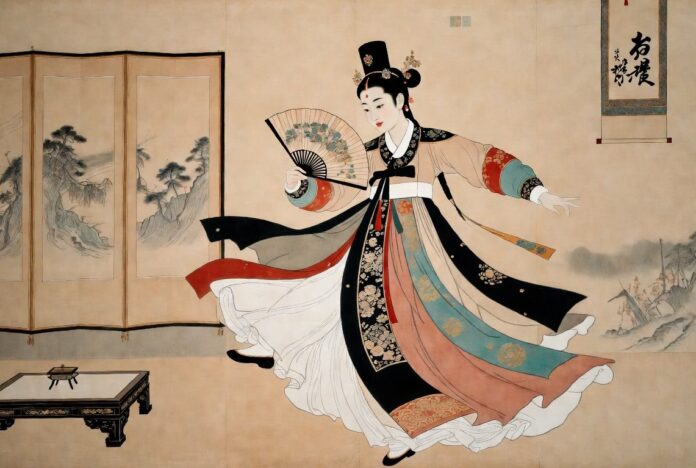
GEISHA AND GISAENG Parallel Traditions of Female Artistic Entertainment in East Asia
The Japanese geisha and the Korean gisaeng represent two of East Asia’s most distinctive traditions of professional female entertainers. Both emerged to provide refined artistic companionship, musical performance, dance, and conversation to elite men within highly stratified societies. At first glance, their roles appear analogous: highly trained women who embodied cultural elegance and facilitated sophisticated social interaction.
Yet beneath these surface similarities lie profound differences in historical origins, social status, the integration of sexual services, artistic emphases, and modern legacies. This article offers a professional examination of the geisha and gisaeng, suitable for readers seeking precise cultural and historical understanding.
Historical Origins and Development
The gisaeng tradition predates the geisha by several centuries. Gisaeng first appeared during the Goryeo Dynasty (918–1394) and became firmly established during the Joseon Dynasty (1392–1897). They were typically drawn from the lowest social stratum—the cheonmin or enslaved families. Training occurred in specialized houses known as gibang. The state sometimes employed gisaeng for official court functions.
In contrast, the geisha profession developed in 18th-century Edo-period Japan. It arose within the licensed pleasure quarters. Early geisha were often male (taikomochi), but female practitioners quickly predominated. The system was deliberately constructed to create a class of artistic entertainers distinct from courtesans. Geisha operated through okiya and performed primarily in ochaya for merchants and later businessmen.
Similarities in Role and Artistic Function
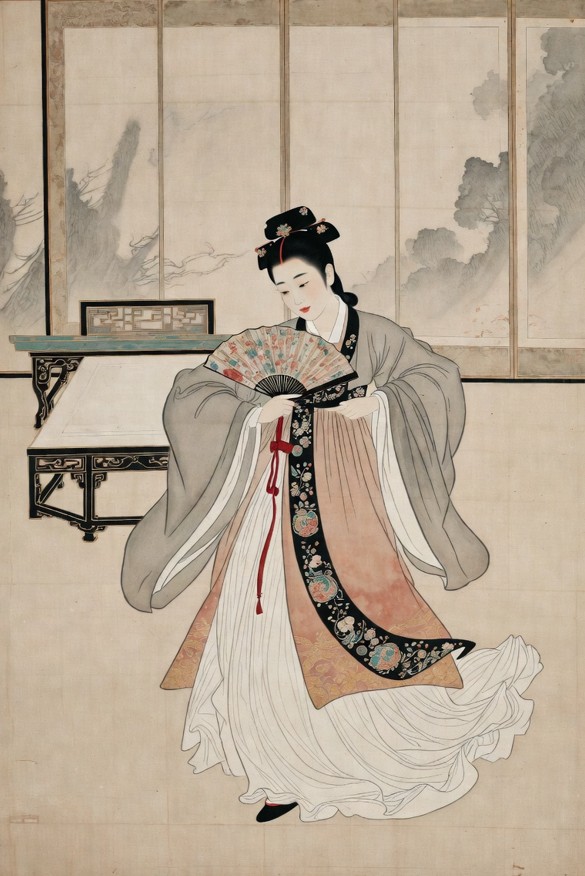
Both geisha and gisaeng functioned as professional providers of refined entertainment. Their core offerings overlapped significantly: mastery of traditional music and instruments, performance of classical dance forms, composition or recitation of poetry and skilled conversation, and creation of an elegant atmosphere at private gatherings. In both cases, these women enabled elite men to relax and appreciate cultural refinement. Patronage systems existed in both cultures.
Key Differences
Significant distinctions emerge regarding social status and the sexual dimension. Gisaeng occupied a paradoxical position: officially of the lowest class yet respected for artistic achievements. Their status was hereditary and tied to government registration. Geisha operated within a more professional framework emphasizing artistic distinction from prostitution. This is the most consequential difference: the geisha profession was explicitly constructed to separate artistic entertainment from sexual commerce, whereas gisaeng commonly provided sexual companionship in addition to artistic entertainment.
Geisha arts centered on refined urban culture, incorporating tea ceremony and a distinctive aesthetic of iki. Gisaeng arts were more closely aligned with Joseon court and scholarly culture, excelling in sijo poetry and court dances such as geommu.
Modern Status and Legacy
The geisha tradition, though greatly reduced, continues as a living practice. The gisaeng system effectively ended with the collapse of the Joseon Dynasty and modernization. Contemporary South Korea preserves elements through historical dramas, museum exhibits, and cultural reenactments that emphasize artistic heritage.
Conclusion
The geisha and gisaeng traditions illustrate how different East Asian societies developed specialized roles for artistically gifted women. While both provided sophisticated entertainment, the gisaeng operated within a system of hereditary low status and more integrated sexual services, whereas the geisha profession consciously prioritized artistic distinction. For professionals engaged with East Asian cultures, understanding these nuances fosters more accurate cross-cultural appreciation and enriches comprehension of Japan and Korea’s complex cultural histories.
Cocaine Company | Cultural Series