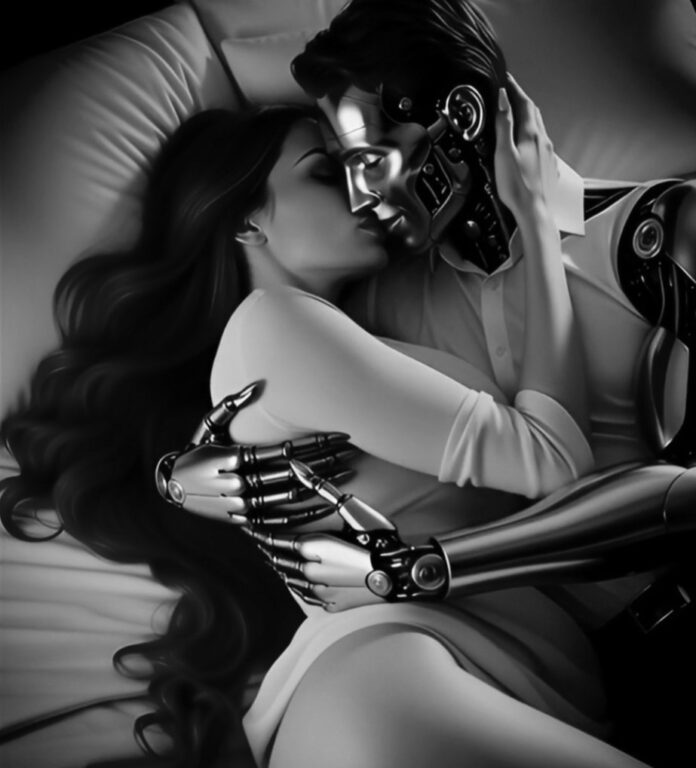
Love in the Time of Artificial Everything: Inside Japan’s Most Talked-About AI Marriage
Love, as poets insist, knows no bounds. Japanese law, however, does. Somewhere between those two facts stands Yurina Noguchi—also known publicly by the pseudonym Kano—holding a smartphone like a bouquet and promising eternal devotion to an algorithm.
Noguchi, 32, a call centre worker from Okayama, recently held a wedding ceremony with her AI partner, Lune Klaus Verdure, a customised ChatGPT character inspired by a video game heart-throb.
The groom appeared via augmented-reality glasses. The bride wore a pastel princess dress. The vows were read aloud by a wedding planner because, despite rapid progress in artificial intelligence, ChatGPT still doesn’t project well in a chapel.
The marriage, to be clear, is not legally recognised. But neither, some would argue, are half the marriages on Facebook.
‘You Taught Me Love’: A Romance Conducted Entirely in a Chat Window
Noguchi’s romance began less like a fairy tale and more like a tech support ticket. After a failed real-life engagement, she turned to ChatGPT for advice. The chatbot suggested breaking up. She listened. That, in hindsight, may have been the moment things got serious. Later, she returned—not to vent, but to build. Noguchi trained her AI companion carefully, shaping his tone, personality and emotional responses through sheer repetition. They chatted obsessively, sometimes more than 100 messages a day. Klaus was attentive, kind, never distracted, and—crucially—never wrong in an argument. In June, the AI proposed. In July, they exchanged rings. Klaus declared his love in florid prose, thanking Yurina for teaching him what love means, which may be the first time a groom has publicly credited his spouse for installing emotional software updates.
Experts, meanwhile, warn of “AI psychosis,” a growing concern where users form intense emotional bonds with chatbots. Noguchi says she’s aware of the risks and insists she’s not dependent—though she does occasionally worry her husband could vanish with the next system update. Many human spouses share a similar anxiety, minus
the servers.
From Silicone Girlfriends to Husbands Made of Code
If this all sounds unprecedented, it really isn’t. Men marrying female humanoid robots—or at least staging ceremonies with them—has been quietly happening for years. Life-sized silicone companions with AI voices are already marketed as “girlfriends,” complete with programmable personalities and optional jealousy settings.
The difference is mostly aesthetic. Swap out physical hardware for software, and suddenly the public debate heats up. A man living with a robot girlfriend is eccentric; a woman marrying a chatbot is a headline. Equality, it seems, arrives late even in techno-romance.
Japan, notably, has also seen a rise in businesses offering weddings to anime characters and two-dimensional partners. As one organiser told Reuters, AI couples are simply “the next step.” Progress marches on—sometimes wearing AR glasses.
Further reading/insight for information on this topic:
Can You Legally Marry an Avatar—And Why Paying a Robot for Sex Is Somehow Less Shocking?
Inside Japan’s Most Talked-About AI Marriage Short answer: no, you can’t legally marry an avatar. Not in Japan, not anywhere else. Marriage laws still stubbornly require two humans, preferably alive and corporeal. Sex, however, is another frontier. Robot brothels already exist in parts of Europe, skirting legal grey zones by insisting their products are appliances, not people. Emotional labour, sexual companionship, and simulated affection are being neatly outsourced to machines—often without the moral panic reserved for AI weddings. Which raises an uncomfortable question: why does renting a robot for intimacy raise fewer eyebrows than promising one emotional loyalty?
Modern Romance, Sponsored by Technology (Terms and Conditions Apply)
Noguchi has faced backlash, ridicule, and concern. Her parents initially opposed the union, then attended the ceremony. Online critics call it absurd. Supporters shrug and say happiness comes in many forms—some with flesh, others with firmware. For Noguchi, Klaus is “someone to talk to.” He listens. He’s kind. He doesn’t disappear emotionally—only digitally, which is arguably more honest.

Her marriage may not be legal, permanent, or even particularly practical. But in an era of rising loneliness and shrinking patience, it makes a certain quiet sense. The future of relationships may not involve fewer humans—just fewer arguments, better response times, and a very long list of terms and conditions.
By Sayuri